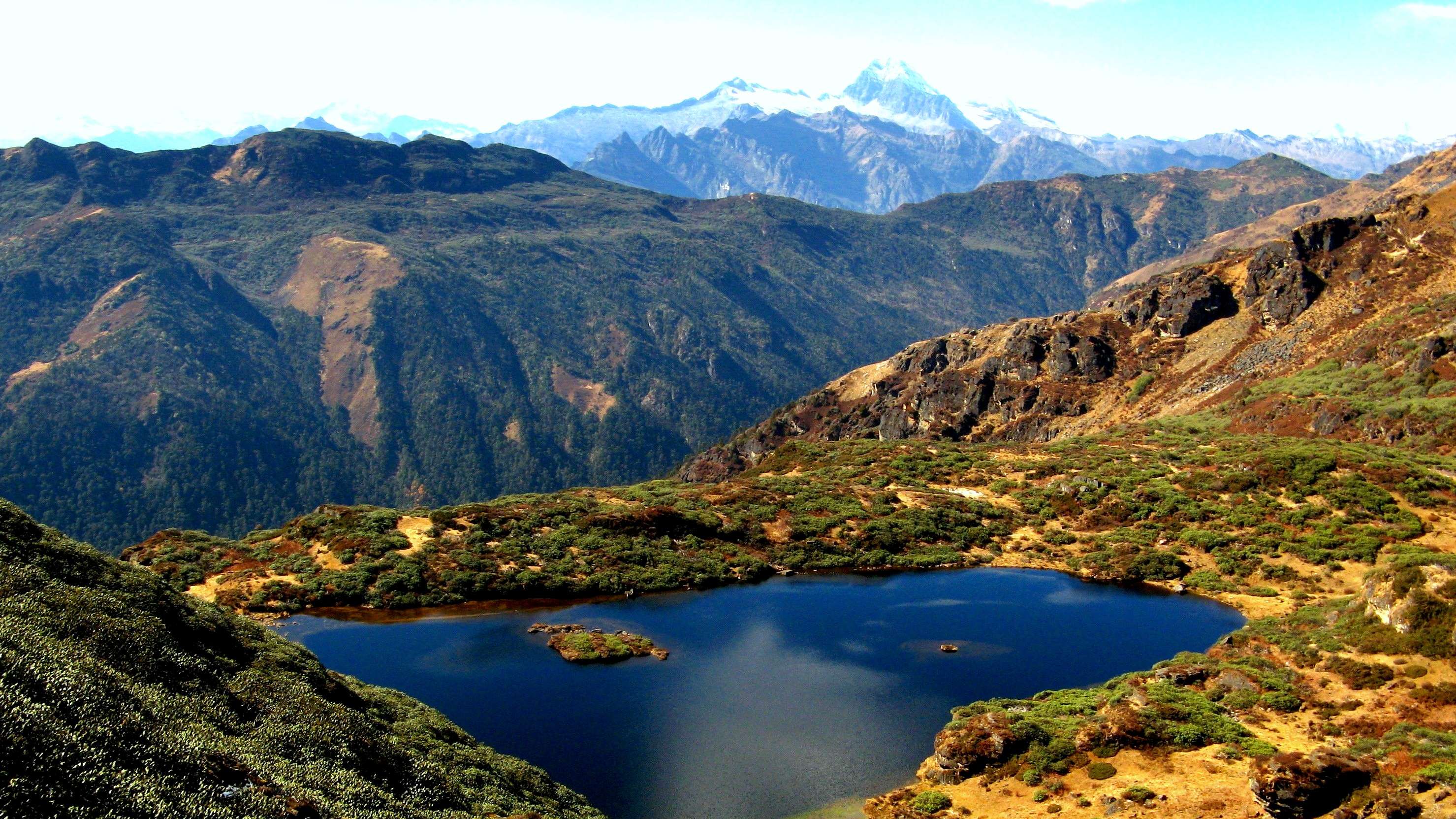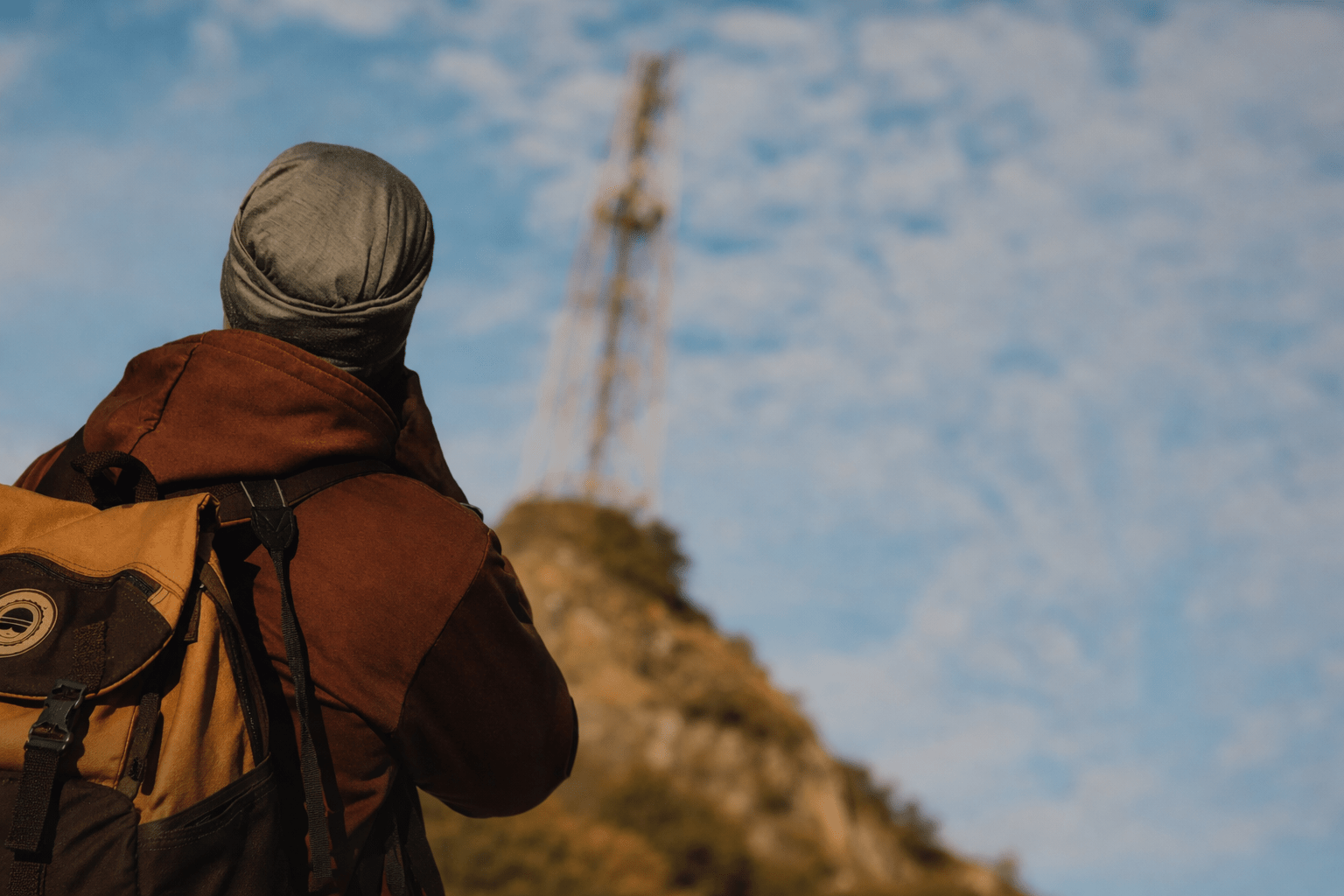
This is the classic Jomohlari Loop. We are tweaking it and adding an extra day to go up to Jomolhari Nye/Lhakhang. This can removed if you wish to and shorten the break by a day. The entire route involves 2 high passes (+4500 meters) and 3 nights at high camps (+4000 meters)...See more
This is the classic Jomohlari Loop. We are tweaking it and adding an extra day to go up to Jomolhari Nye/Lhakhang. This can removed if you wish to and shorten the break by a day. The entire route involves 2 high passes (+4500 meters) and 3 nights at high camps (+4000 meters). A trek that is comparatively challenging, taking you to a maximum elevation of close to 5000 meters, Starting and finishing near Shana Zampa (Gunitsawa Village).
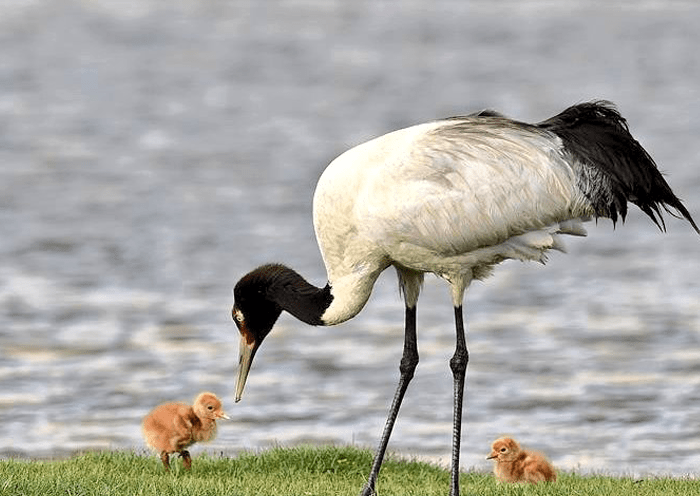
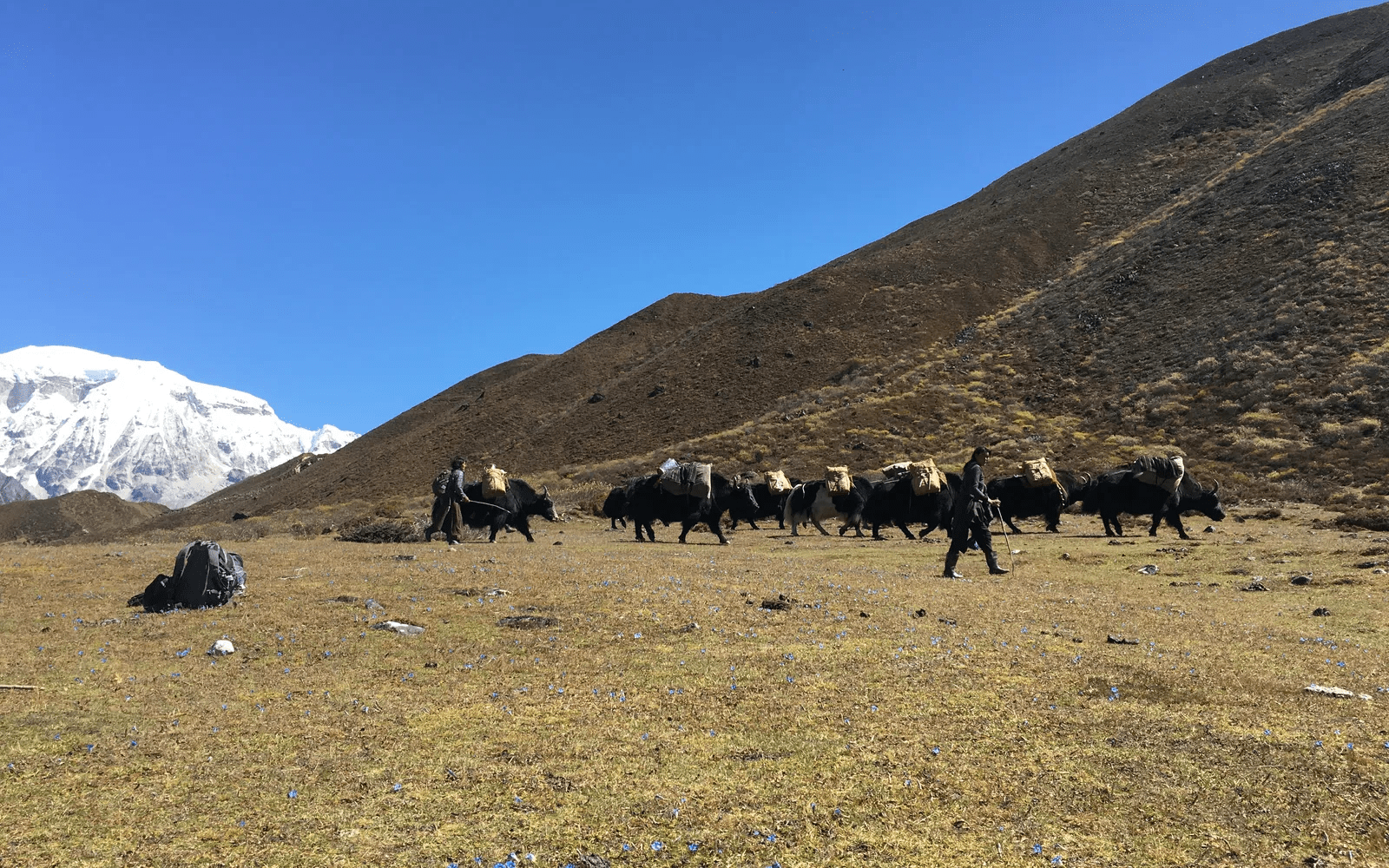
Apart from sharing the landscape with giants like Jomolhari, Jitchu Draké and Tserim Kang the trek also offers an excellent mixture of natural landscape, fauna and a cultural experience. Crossing Bhonte la pass (4900 meters) and sharing the space with highlanders is another highlight of this trek.
Note: The sighting of flora and fauna is seasonal.
See lessDuration
12 Days
Language
English

Highlights
Include/Exclude
- Experienced local guide(s) familiar with the trail and high-altitude trekking.
- Porters to carry personal luggage and camping equipment.
- Accommodation during the trek (high camps and lodges/teahouses as per itinerary).
- All meals during the trek (breakfast, lunch, dinner)
- Camping equipment (tents, sleeping bags, mats) for high camps.
- Permits and fees required for the Jomolhari region and trek
- Cultural experiences with local highlanders along the route.
- International or domestic flights to and from Bhutan.
- Travel insurance (medical and evacuation).
- Personal expenses (snacks, drinks, tips, laundry).
- Meals before and after the trek.
- Equipment or clothing rental (trekking boots, down jackets, trekking poles, etc., unless specified).
- Optional excursions (e.g., the extra day to Jomolhari Nye/Lhakhang if not included).
Jomolhari Loop
Day 1
Arrival
Day 2
Paro
Day 3
Trek Day 1: Shana Zampa to Thang Thangkha
Day 4
Trek Day 2: Thang Thangkha to Jhomolhari Lhakhang and back
Day 5
Trek Day 3: To Jangothang
Day 6
Trek Day 4: Rest Day
Day 7
Trek Day 5: Jangothang to Soe Yaktsa
Day 8
Trek Day 6: Soi Yaktsa to Thombu Shong
Day 9
Trek Day 7: Thombu Shong to Gunitsawa Village
Day 10
Thimphu
Day 11
Thimphu
Day 12
Departure
Frequently Asked Questions
It’s a moderately challenging trek, suitable for experienced hikers, with high-altitude sections reaching nearly 5,000 meters and multiple days at high camps (+4,000 m).
The standard trek usually takes around 7–10 days, depending on the itinerary. An optional extra day can be added to visit Jomolhari Nye/Lhakhang.
The trek crosses Bhonte La Pass at 4,900 meters, which is the highest point on the route.
Spring (March–May) and autumn (September–November) are ideal for clear skies, pleasant weather, and better chances of spotting flora
You may also like