Day 1
Paro
After clearing customs and immigration you will meet your Bhutanese leader and drive a short distance via the main street of Paro to our accommodation. At some stage in the afternoon we will visit the main part of town, and visit the National Museum. It will depend on our time of arrival into Paro, and when trek preparations are completed. Overnight: Hotel
Day 2
Hike to Takshang
-
Morning drive to Tiger’s Nest Monastery, perched on cliffs overlooking Paro Valley
-
Trek 1.5 hours uphill through chir pine forests to a tea house and scenic vantage point
-
Additional 30-minute walk to the monastery, the divine resting place of Guru Rinpoche; admire the restored monastery and cliffside views
-
Return to the resort for lunch
-
Afternoon: sightseeing around Paro valley, noting the colorful farmlands, traditional Bhutanese farmhouses, and forested slopes
-
Evening: repack trekking gear, leaving non-essential items in safe storage for the upcoming trek
Highlight: Cultural immersion at Bhutan’s most iconic monastery, scenic valley views, and preparation for the trek.
Day 3
Drive past Drukyel Dzong (2580m) to Shana (2860m) and commence trek to Shiring Karup (3100m), (6kms, approx 4 hrs)
-
Drive ~20 minutes past Drukyel Dzong (2,580m), built in 1647 to guard the valley
-
Continue drive to Shana (2,860m), passing rice, wheat, barley, mustard, potato, and radish fields, herds of cows, and traditional Bhutanese timber-stone houses
-
First views of Mount Jomolhari at the head of the valley
-
Begin trek on a wide, flat trail through lightly forested fields, with breaks for packed lunch
-
Trail passes through areas with ongoing electrification projects to remote villages
-
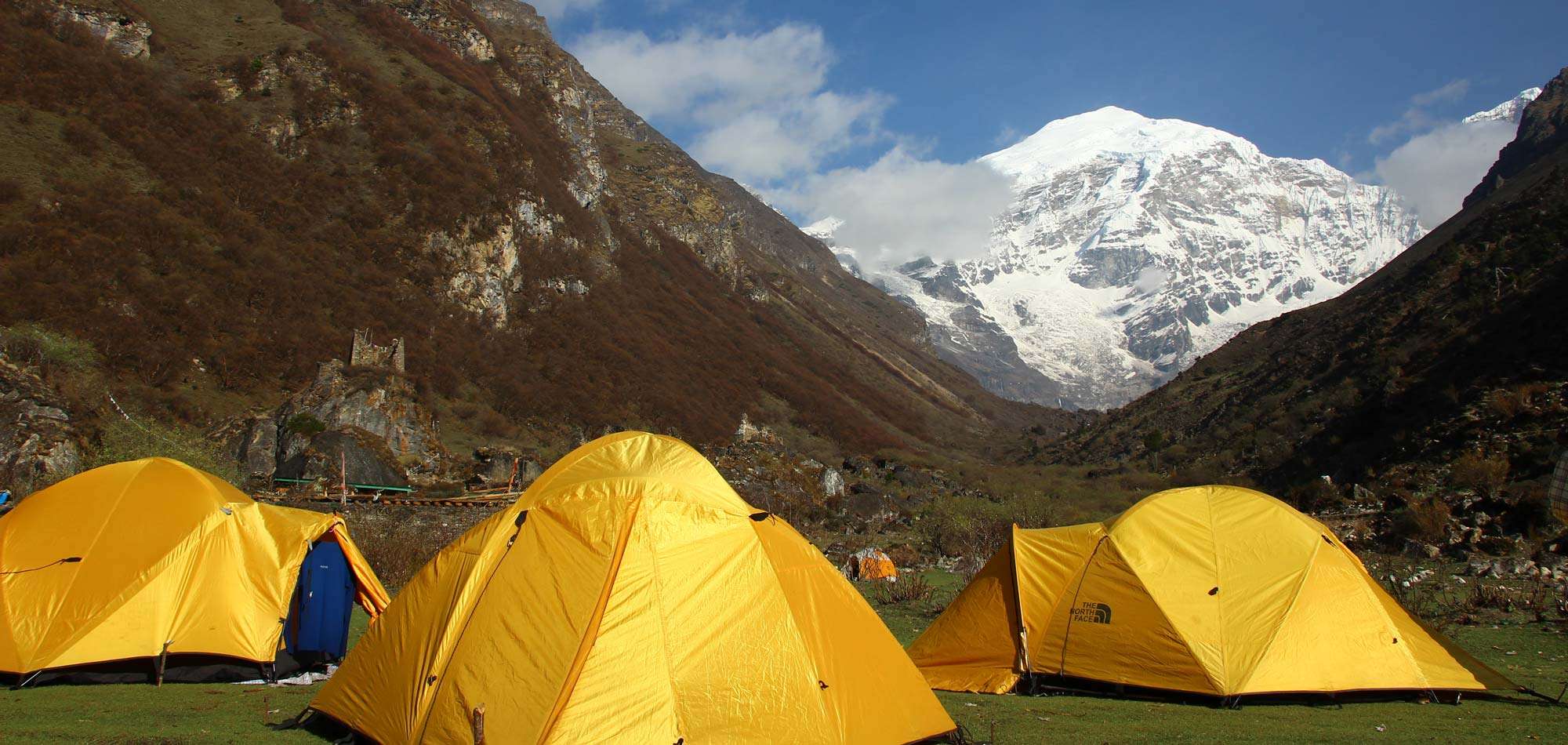
Overnight camp at Shiring Karup (3,100m)
Highlight: First day of trekking with scenic valley landscapes, Bhutanese village life, and initial Himalayan views.
Day 4
Trek to Soi Thangthangkha (3620m) (12km, approx 5 hours)
-
Trek through Jigme Dorji National Park, Bhutan’s largest park (4,350 sq km), home to diverse flora and fauna
-
Forests transition from oak, maple, birch, larch, and alder at lower altitudes to rhododendron and pine at higher elevations
-
Spot various plant species and alpine flowers, with bloom times changing by altitude
-
Trails pass through remote clearings rather than permanent settlements, often used by yak herders or workers from electrification projects
-
Trek 12 km (~5 hours) to Soi Thangthangkha campsite (3,620m)
Highlight: Immersive trek through pristine wilderness with diverse forests, alpine flora, and glimpses of Bhutanese nomadic life.
Day 5
Trek to Jangothang (4100m) (13.6kms, approx 4/5 hours)
- Trek higher into a stunning alpine setting at the base of Mount Jomolhari
-
Views of Jichu Drake with elegant ridges leading toward the next day’s pass
-
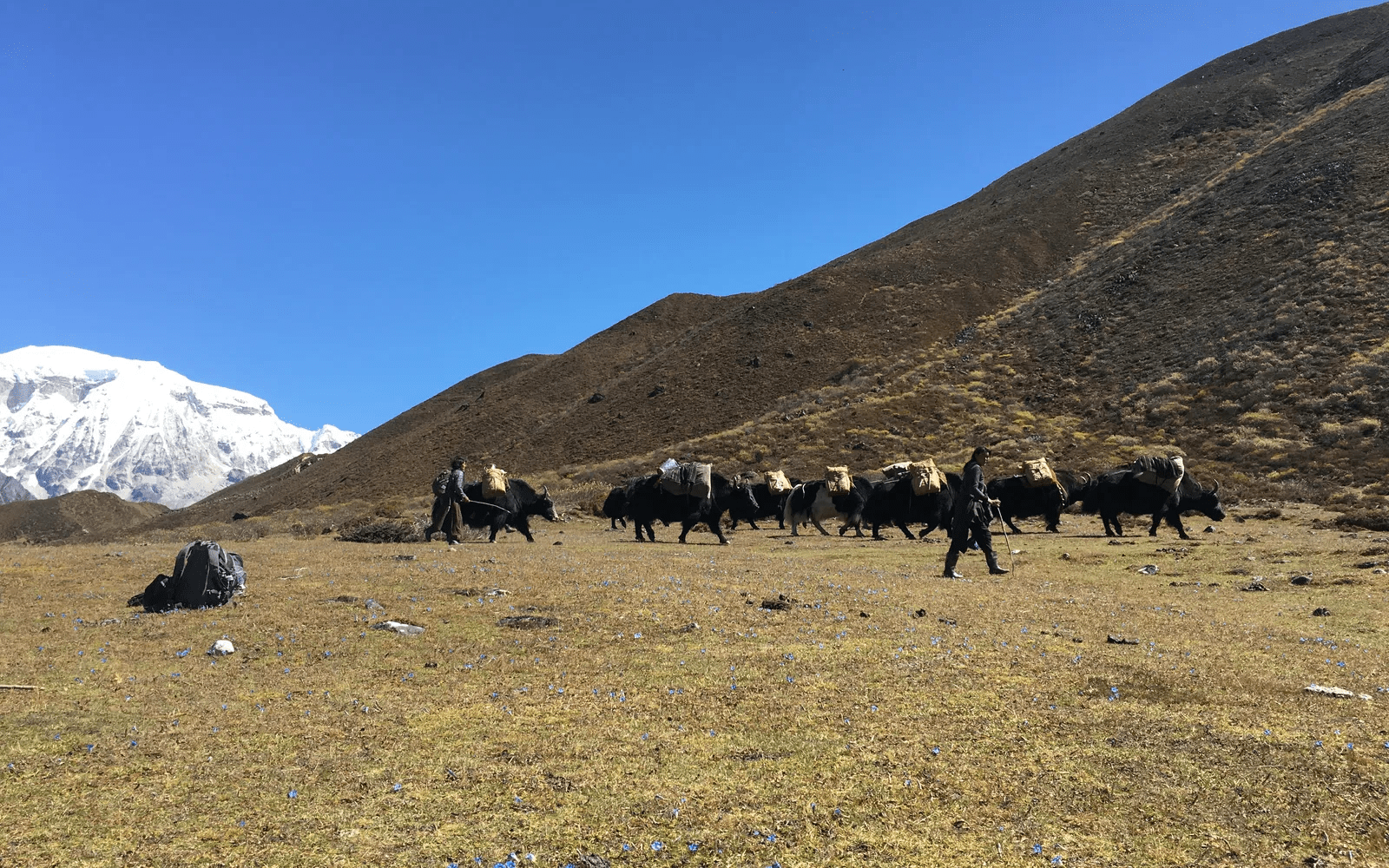
Camp near yak herders’ summer encampments, living in traditional woven yak wool tents
-
Above the treeline, terrain features tundra with juniper and rhododendron setosum, with occasional sightings of blue sheep
-
Trek 13.6 km (~4–5 hrs) to Jangothang campsite (4,100m)
Highlight: High-altitude trekking with dramatic Himalayan peaks, alpine tundra, and cultural encounters with yak herders.
Day 6
At Jangothang (acclimatisation day)
-
Day set aside for acclimatisation at high altitude
-
Optional side trip toward Mount Jomolhari glacier for dramatic viewpoints
-
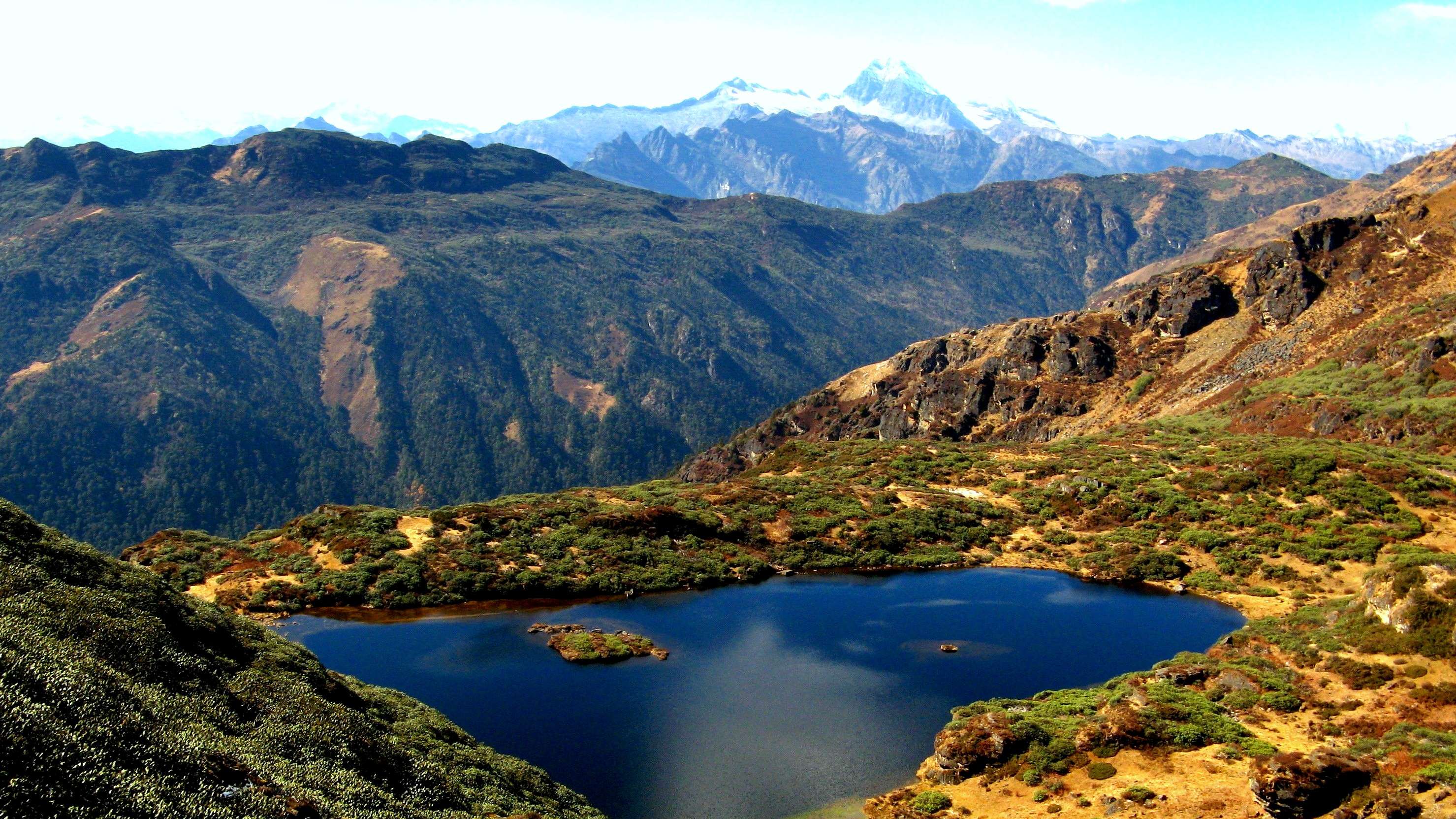
Alternative excursion to Tshophu Lake near Nyile La Pass, ideal for photography
-
Learn about the mountaineering history, including Doug Scott’s ascent of Jichu Drake (1988)
-
Participate in the Jomolhari Festival, celebrating local culture and the natural Himalayan environment
-
Overnight at Jangothang campsite
Highlight: Rest and acclimatisation while enjoying stunning glacial landscapes, alpine lakes, and cultural experiences.
Day 7
Cross Nyile La (4890m) to Lingshi village (4010m) (15kms, approx 7 hrs)
-
Ascend from Jangothang over grassy slopes and brush to Nyile La Pass (4,890m); final section includes scree and sand
-
Enjoy inspiring views of Jichu Drake and surrounding Himalayan peaks
-
Descend steeply through rhododendron forests toward Lingshi Village
-
See Lingshi Dzong, historically built to protect local villages from Tibetan raids
-
Overnight at Lingshi Village campsite (4,010m)
Highlight: Crossing a high Himalayan pass with breathtaking mountain views and arriving at a historic Bhutanese village.
Day 8
Trek to Chebisa village (3880m) (11kms, approx 4-5 hrs)
Day 9
Cross Gombu La (4440m) to Shomuthang (4221m) camp (12kms, approx 7/8 hrs)
-
Trek with undulating ascents and descents to Gombu La Pass (4,440m)
-
Enjoy spectacular views of Lingshi Village and surrounding Himalayan peaks
-
Spot wildlife such as hill partridges and lammergeiers soaring above alpine pastures
-
Descend through cypress, spruce, and birch forests, with large stands of rhododendron (griffithianum and campylocarpum); iris and edelweiss may be in bloom
-
Camp beside yak herder settlements and river in Shomuthang, or hike slightly further up the valley to ease the next day’s ascent
-
Overnight at Shomuthang campsite (4,221m)
Highlight: High-altitude pass crossing with diverse alpine flora, Himalayan wildlife, and riverine camping amidst majestic mountains.
Day 10
Cross Jare La (4760m) to Robluthang (4140m) (9kms, approx 6/7 hours)
-
Ascend grassy slopes and windswept hills to Jare La Pass (4,760m), spotting blue sheep and lammergeiers
-
At the pass, enjoy expansive views of the adjacent valley and the next pass, Sinche La
-
Descend through rhododendron, spruce, cypress, and birch forests to a broad valley floor with grazing yaks
-
Encounter Laya people, recognizable by woven conical hats with spikes and colorful beads, living in yak-wool tents
-
Ascend the opposite valley side to Robluthang campsite (4,140m)
Highlight: High-altitude pass crossing with wildlife, traditional Laya culture, and alpine valley camping.
Day 11
Cross Sinche La (5005m) to Lemithang (4150m) (14kms, approx 7/8 hrs)
-
Ascend Sinche La Pass (5,005m) over ~4 hours at a steady pace to acclimatize and prepare for the long descent
-
From the pass, enjoy glimpses of peaks including Gangchenta
-
Descend through boulders and grassy slopes, with views of glacial blue lakes, streams, and dramatic peaks of the ‘Tiger’s Ears’ Gangchenta
-
Observe glacial moraine and a large milky-grey lake along the valley floor
-
Camp by the riverside amid tall conifers, with towering peaks as a backdrop at Lemithang (4,150m)
Highlight: Crossing Bhutan’s highest pass on this trek, with spectacular alpine lakes, glacial valleys, and stunning Himalayan scenery.
Day 12
Trek to Laya village (3800m) (11kms, approx 4 hrs)
-
Descend through Zamdo Nangi Chhu Valley, following steep trails beside the river through thick forests
-
Reach outer Laya pastures, then ascend to the main village, perched on a broad spur above the Mo Chu River
-
Explore Laya Village, home to ~1,000 people, with a school, Basic Health Unit, small shops, and a gompa
-
Observe local life reliant on yak herding (meat, wool, cheese) and annual crops like barley, mustard, and turnips
-
View Masang Gang (7,194m) and the distant Lunana region, the next stage of the trek
-
Prepare for the next leg, coordinating animal porterage as needed
Highlight: Arrival at the largest high-altitude village of the trek, offering cultural immersion, spectacular Himalayan views, and insight into life in a remote Bhutanese community.
Day 13
Rest Day in Laya
Some time to relax is most welcome after the exertions of the past few days. After a leisurely start to the day, we will enjoy some additional visiting time in Laya, threshing wheat with the ladies, visiting the school or perhaps enjoying a tea in one of the small shops.
Day 14
To Rodophu (4215m) (18kms, approx. 7/8hrs)
We start hiking early, as today is one of the toughest days of the trek with a lot of steep uphill. After passing the Army Camp and crossing the river we begin our ascent towards Lunana and the most remote stages of our trek. It will take us more than three days to reach the first settlement of Lunana, Woche. The forest is luxuriant and the steep trail winds up among tall trunks and root buttresses. As we climb higher we walk among pines, oaks and rhododendron, emerging finally to a broad river valley of alpine pastures. The valley is surrounded by steep slopes and rocky crags and being at higher elevations now, our evening camps will be cooler.
Day 15
Cross Tsemo La (4905m) to Narethang (4900m) (11kms, approx. 6/7hrs)
We gradually ascend the slopes of dwarf rhododendrons, and once this is achieved, trek on through another small valley of alpine pastures to a small pass, Tsemo La (4905m). We descend and traverse around some slopes to be rewarded with a line of snowy peaks, with Gangla Karchung (6395m) the highest. Our camp is on grassy slopes, surrounded by glaciers, moraines and a few small alpine lakes.
Day 16
Cross Karakachu La (5165m) to Tarina (3880m) (16kms, approx. 8/9hrs)
-
Ascend for ~1.5 hours to Karakachu La Pass (5,165m) in the remote Lunana District
-
Enjoy dramatic views of Jejekanhphu Gang (7,300m) and Tsenda Kang (7,100m)
-
Begin a long descent of ~1,200m through lateral moraine and rhododendron forests to the valley floor
-
Continue 2–3 hours along the valley to Tarina campsite (3,880m)
-
Late lunch likely due to high pass; carry snacks for energy
Highlight: High-altitude pass crossing into the pristine Lunana region, with breathtaking views of glaciers, alpine lakes, and towering Himalayan peaks.
Day 17
Tarina to Green Lake (4450m) (14kms, approx 7hrs)
Following the river, we descend the valley to see the impact of a number of large landslides. They have taken out tracts of forests and left an enormous pile of rubble in its wake. We climb over a ridge to the village of Woche at 3940m, the first village of Lunana. We may see families all helping to thresh their crops of wheat or buckwheat in the fields with traditional rotating sticks. Continuing on, we cross the river and make our way up through dwarf rhododendron towards tomorrow’s pass. There is time to relax and enjoy the views across the cirque-like valley that we have just passed through. Each day of trekking in this remote wilderness region of Bhutan should be savoured as no two days are the same.
Day 18
Cross Keche La (4670m) To Chozo (4070m) (20kms, approx 8/9hrs)
Day 19
Rest Day in Chozo
Time to do washing, relax, or perhaps go for a walk up the moraine to the glacier near Table Mountain and Thanza. There is a small ridge behind the village that offers spectacular views of the neighbour of Table Mountain, Kangphu Gang (7212m). You can also snap pictures of Chozo Dzong but, according to legend, the dzong is haunted and you should not make loud noises, go inside or step foot in its courtyard!
Day 20
To Tshochena (4940m) (14kms, approx. 9hrs)via Sintia La (5140m)
-
Cross the river and begin a steep ascent through a narrow valley with dwarf rhododendron toward Sintia La Pass (5,140m)
-
Trek ~4 hours to the pass, enjoying spectacular views back toward Lunana
-
Sintia La resembles a lunar landscape with rocky expanses, scattered glacial lakes, and towering peaks
-
Fog can reduce visibility; stay close to guides and trekking partners
-
Descend to a barren plateau for camp at Tshochena (4,940m), where blue sheep, ibex, and occasionally snow leopards have been sighted
-
Route avoids Thanza due to time constraints
Highlight: Challenging high-altitude trek across Sintia La, with dramatic alpine scenery, glacial lakes, and wildlife spotting opportunities.
Day 21
To Jichu Dramo (5020m)via Loju La (5100m) (10km, approx 5/6hrs)
The trail undulates between snow-capped peaks and crosses the Loju La (5100m). Winding around several ridges the views expand before us. Few, if any, of these peaks have ever been climbed, making our panorama all the more special. We camp in a little patch of grassy tundra, wedged between barren rocks and trickling streams.
Day 22
Cross Rinchen Zoe La (5326m) To Chukarpo (4600m) (15km, approx 8/9hrs)
-
Depart yak herder camp and trek through a lunar-like landscape of rocks, glaciers, and emerald alpine lakes
-
Ascend to Rinchen Zoe La Pass (5,326m), the highest pass of the trek, over ~2 hours
-
Take in unmatched views of glaciers flowing from snowy peaks into glacial lakes dotted with “icebergs”—ideal for photography
-
Descend across a plateau reminiscent of the Tibetan Plateau, then steeply along a moraine and river rocks
-
Camp in a forest clearing beside the river at Chukarpo (4,600m)
Highlight: Crossing the trek’s highest pass with dramatic alpine vistas, glaciers, and pristine glacial lakes, culminating in a rewarding descent to a scenic riverside campsite.
Day 23
To Tampoe Tsho (4330m)(15km, approx 6/7hrs)
-
Cross the river and follow the main valley, entering forests with warmer temperatures
-
Trek through boulder-strewn trails and thick pine, rhododendron, birch, and maple forests; soft, mossy, and muddy underfoot
-
Ascend a narrow valley to reach a hanging lake (tarn) near the last pass
-
Camp at Tampoe Tsho (4,330m), a picturesque lakeside setting for the final mountain camp
Highlight: Forested alpine trek culminating at a serene lakeside campsite, setting the stage for the trek’s final high pass.
Day 24
Cross Tempe La (4665m) to Marothang (3680m) (12km, approx 7/8hrs)
-
Ascend ~1.5 hours to Tempe La Pass (4,665m), the final pass of the trek
-
Descend steeply past Om Tsho Lake, then traverse cliffs and descend to the valley floor
-
Follow the Nikka Chhu River through rhododendron and pine forests and yak pastures along fairly level terrain
-
Watch your step on moss-covered rhododendron roots
-
Arrive at Marothang (3,680m), encountering the first shop since Laya
-
If using yaks, transfer to horses for the final day of trekking
Highlight: Last high pass crossed, followed by a scenic descent along river valleys and forests toward the lower-altitude settlements.
Day 25
To Sephu (2680m) (15km, approx 4/5hrs), drive to Punakha (approx. 2 hrs)
The trail follows the Nikka Chhu through thick, lush forest that is cool and pleasant. We emerge into bamboo thickets and patchwork hillsides of crops and houses of the Sephu district. Our transport meets us at the trailhead and we drive about two hours to our overnight accommodation in Punakha. The end of this extraordinary trek and time to get back to civilization!
Day 26
Drive to Paro (6hrs)
We aim get an early start for our drive from Punakha to Paro. The first stop once in town is the Paro Dzong – as with all Dzongs the fortress is the center for civil and religious activities. The Dzong lies just below the national museum and is accessible by an old cantilevered bridge. After lunch, we will visit the Kyichu Lhakhang. This is one of Bhutan’s oldest monasteries and believed to have been built in 659 by King Songtsen Gampo of Tibet. Later additions to the temple were made by the Je Khenpo – Chief Abbot of Bhutan and the Royal Family. Overnight Hotel.
Day 27
departure
Depart for your respective countries