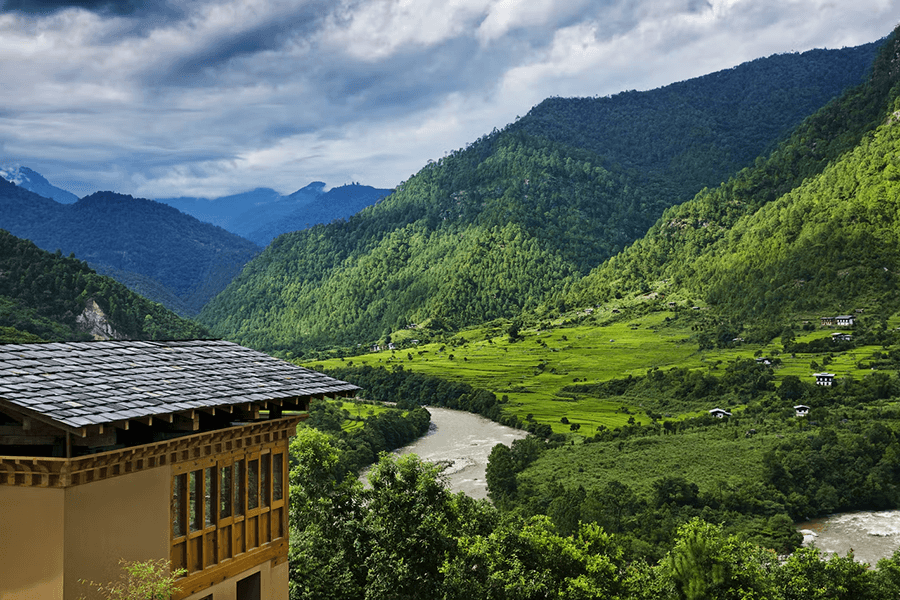
Punakha (Dzongkha: སྤུ་ན་ཁ་) is the administrative centre of Punakha dzongkhag, one of the 20 districts of Bhutan. Punakha was the capital of Bhutan and the seat of government until 1955, when the capital was moved to ...See more
Punakha (Dzongkha: སྤུ་ན་ཁ་) is the administrative centre of Punakha dzongkhag, one of the 20 districts of Bhutan. Punakha was the capital of Bhutan and the seat of government until 1955, when the capital was moved to Thimphu. It is about 72 km away from Thimphu, and it takes about 3 hours by car from the capital, Thimphu. Unlike Thimphu, it is quite warm in winter and hot in summer. It is located at an elevation of 1,200 metres above sea level, and rice is grown as the main crop along the river valleys of two main rivers of Bhutan, the Pho Chu and Mo Chu. Dzongkha is widely spoken in this district.
Punakha—the valley so blessed—was once the capital of Bhutan. The landscape is breathtaking and the valley sits on an unusually quiet at the confluence of two rivers. The visit to this valley will come with three-fold benefits, and those are; first, you will get to visit the valley that looks no less beautiful than Paro valley. Second, you will get to see the some of the rare birds like white-belled herion which are as rare of blue diamond in the world. And third, that the valley is so sacred. The majestic dzong was built by Zhabdrung Rinpoche in 17th century and remain as his main seat till his death.
See lessDuration
6 Days
Group Size
10+
Language
English

Highlights
Punakha (Dzongkha: སྤུ་ན་ཁ་) is the administrative center of Punakha District and was the capital of Bhutan until 1955, before it moved to Thimphu. Located about 72 km from Thimphu, the journey takes around 3 hours by car. The valley sits at 1,200 meters above sea level and has a warmer climate, making it ideal for rice cultivation along the Pho Chu and Mo Chu rivers.
Punakha Valley is known for its breathtaking scenery and peaceful setting at the confluence of two rivers. Visitors enjoy three main highlights:
-
Beautiful landscapes, comparable to Paro Valley.
-
Opportunities to see rare birds such as the White-bellied Heron.
-
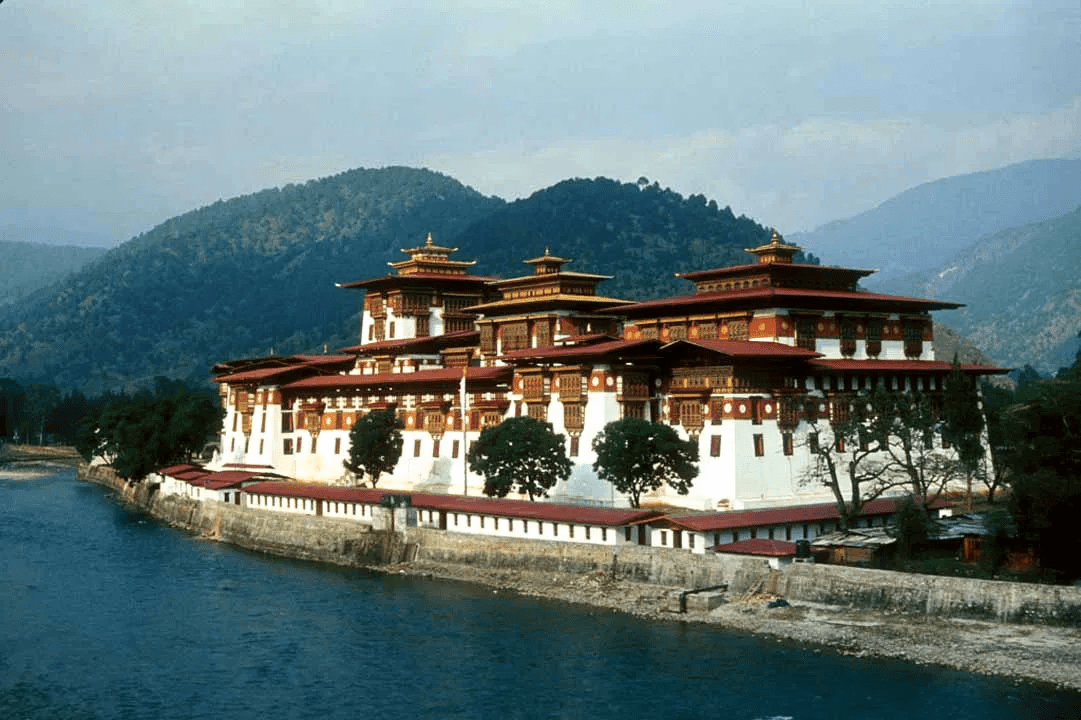
Visit the sacred Punakha Dzong, built by Zhabdrung Rinpoche in the 17th century, which served as his main seat until his death.
Include/Exclude
- Bhutan Royalties, tourists fees, Visa fees and taxes.
- Accommodations in listed or similar hotels (pleasant hotels 3 star) during the tour.
- All meals, including evening tea/coffee etc through-out the trip
- All land transfers, sightseeing with entrance fees
- Bottled water in the vehicle and other camp services.
- Luxury hotel upgrades available at additional cost.
- Travel insurance
- Expenses of personal nature
- Drinks like beer, whisky, coke, fanta and Mineral water
- Telephone and internet
Explore Punakha
Day 01
Paro / Thimphu
Day 02
Thimphu / Punakha
Day 03
Punakha
Day 04
Punakha / Paro
Day 05
Taktsang Hike
Day 06
Departure
Frequently Asked Questions
Yes, **Punakha was the capital of **Bhutan until 1955, after which the capital moved to Thimphu.
**Punakha is about **72 km from Thimphu, and the drive takes approximately 3 hours by car.
The valley lies at the confluence of the Pho Chhu and Mo Chhu rivers.
The main crop grown in Punakha Valley is rice, thanks to its warm climate and fertile river valleys.
You may also like