This 17-day trek, though rigorous is quite popular because it traverses a great cross section of Bhutan as it winds from the Paro valley in Bhutanese middle hills, up to Laya and Lingshi in Northwest Bhutan which are situated above 13000 feet. Fewer visitors a year make thei...See more
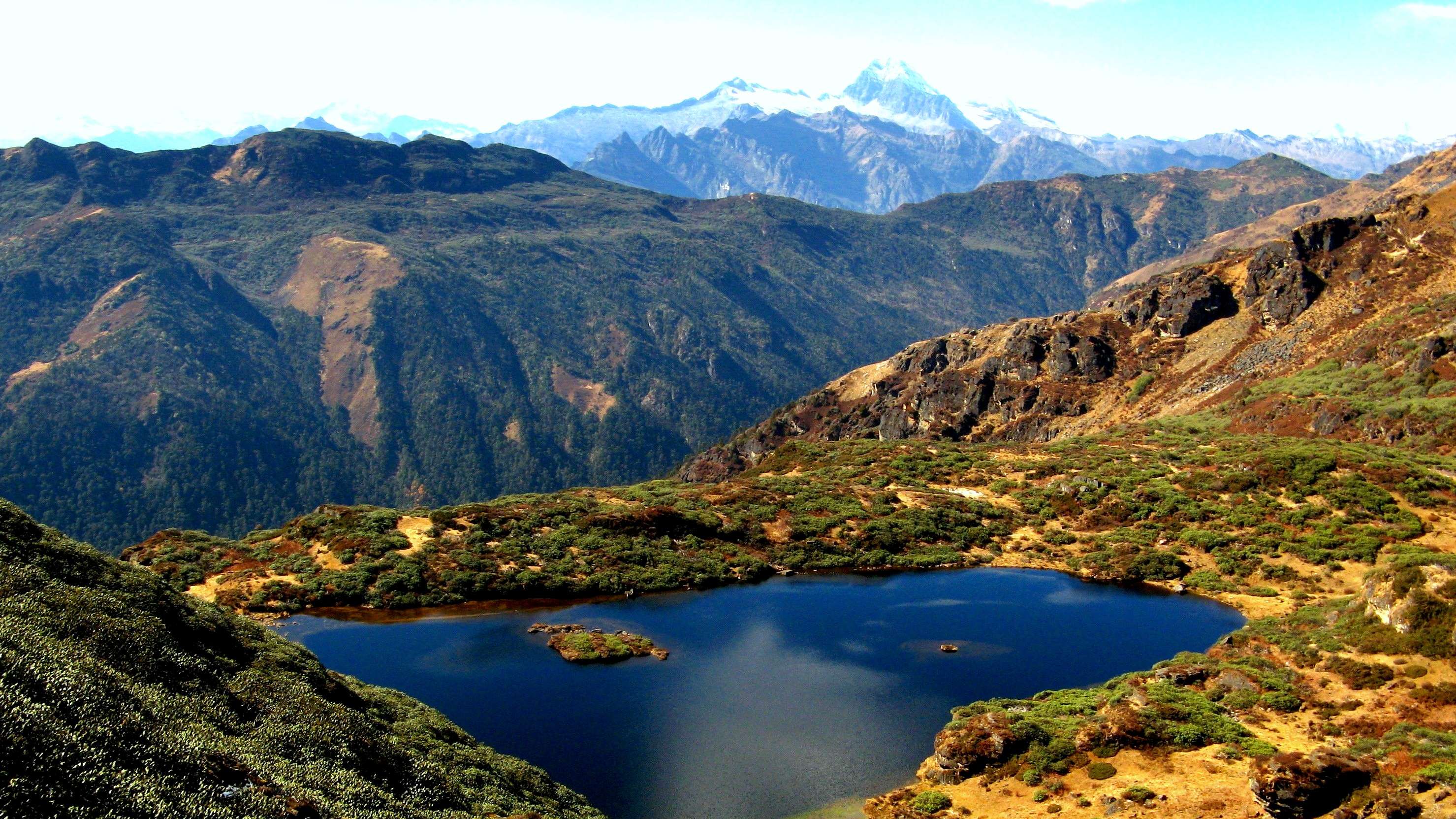
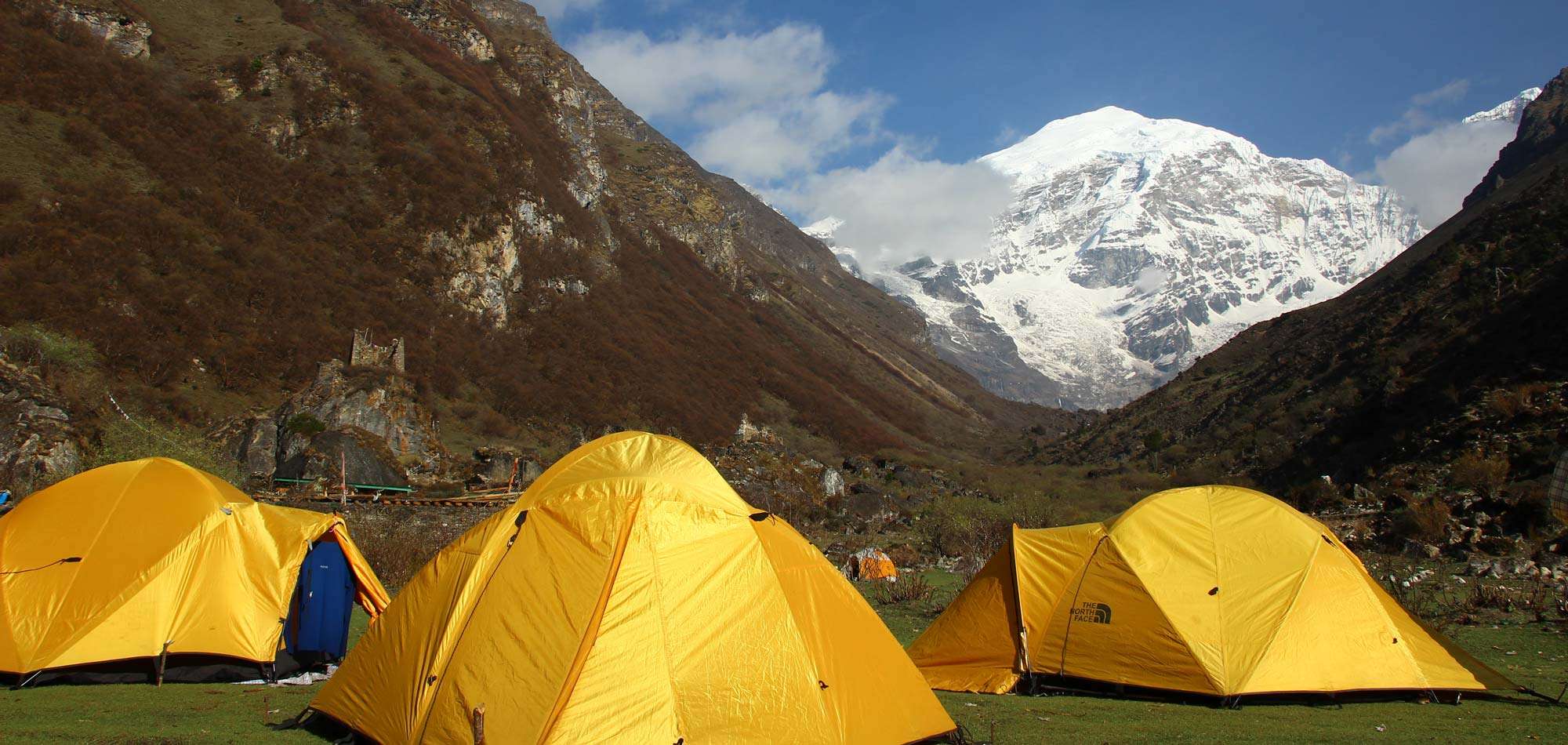
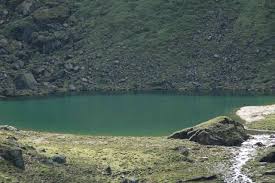
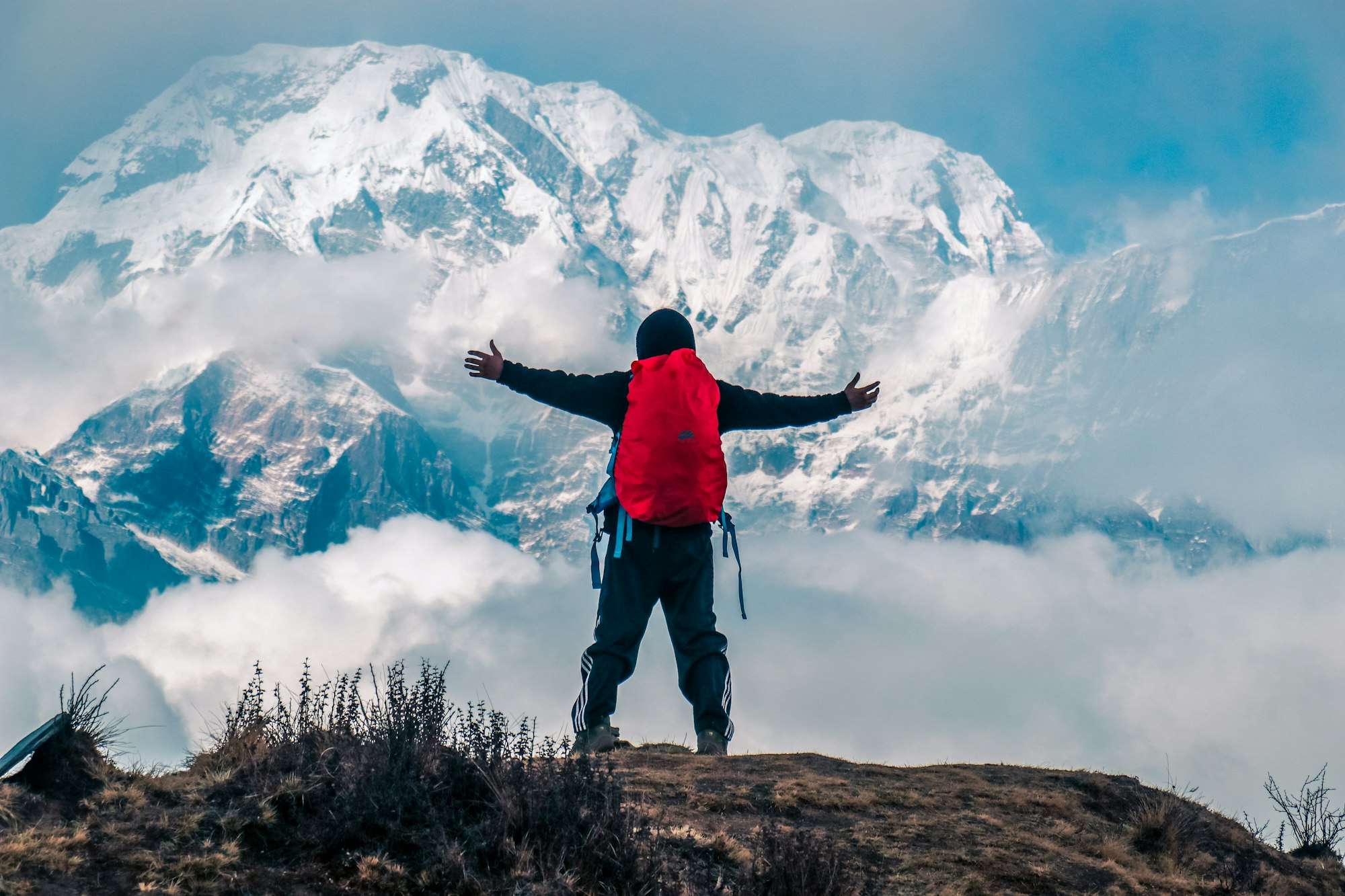
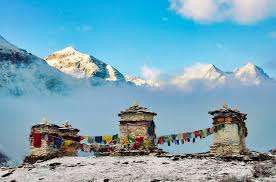
This 17-day trek, though rigorous is quite popular because it traverses a great cross section of Bhutan as it winds from the Paro valley in Bhutanese middle hills, up to Laya and Lingshi in Northwest Bhutan which are situated above 13000 feet. Fewer visitors a year make their way into Laya, one of the most culturally and ecologically pristine regions in the long arc of the Himalaya. The scenery along the way, past the elegant Mount Chomolhari is awe-inspiring with views of alpine landscape with snowcapped mountains and mirrored crystal lakes dotted with yak hair tents of the migratory yak herders.
See lessDuration
17 Days
Language
English+

Highlights
The 17-day trek from Paro to Laya and Lingshi in northwest Bhutan is a challenging but highly rewarding journey. It passes through Bhutan’s middle hills up to over 13,000 feet, offering a rare glimpse into pristine landscapes and remote Himalayan culture. Trekkers experience awe-inspiring scenery including Mount Chomolhari, alpine valleys, snow-capped peaks, crystal-clear lakes, and yak herder camps, making it one of Bhutan’s most culturally and ecologically unique treks.
Include/Exclude
- Bhutan Royalties, tourists fees, Visa fees and taxes.
- Accommodations in listed or similar hotels (pleasant hotels 3 star) during the tour.
- All meals, including evening tea/coffee etc through-out the trip
- All land transfers, sightseeing with entrance fees
- Bottled water in the vehicle and other camp services.
- Luxury hotel upgrades available at additional cost.
- Travel insurance
- Expenses of personal nature
- Drinks like beer, whisky, coke, fanta and Mineral water
- Telephone and internet
Travel Itinerary
Day
Paro
Day 2
DRUKGYAL DZONG – SHANA ZAMPA, 17KMS, 5-6 HRS
Day 3
SHANA ZAMPA – THANGTHANGKHA, 22 KMS, 6-7 HRS
Day 4
THANGTHANGKHA – JANGOTHANG, 19 KMS, 5-6 HRS
Day 5
A DAY HALT & EXPLORATION IN JANGOTHANG.
Day 6
ANGOTHANG – LINGSHI 18 KMS, 5-6 HRS
Day 7
LINGSHI – CHEBISA, 10 KMS, 5-6 HRS
Day 8
CHEBISA – SHOMUTHANG, 17 KMS, 6-7 HRS
Day 9
SHOMUTHANG – ROBLUTHANG, 18 KMS, 6-7 HRS
Day 10
ROBLUTHANG-LIMITHANG, 19KMS, 6-7 HRS
Day 11
LIMITHANG-LAYA, 10 KMS, 4-5 HRS
Day 12
LAYA – KOINA, 19 KMS, 6-7 HRS
Day 13
KOINA TO GASA TSACHU (TSACHU-HOT SPRING), 14 KMS, 6-7 HRS
Day 14
GASA-DAMJI, 18 KMS, 5-6 HRS
Day 15
DAMJI-TASHITHANG-PUNAKHA, 16 KMS OF TREK AND ONE HOUR DRIVE TO PUNAKHA
Day 16
PUNAKHA – THIMPHU – PARO
Day 17
departure
Frequently Asked Questions
It is very challenging, often rated one of the toughest treks in Bhutan due to long distances, high altitudes (up to 5,005m / 16,417 ft), and remote terrain. Prior trekking experience and good fitness are essential.
Typically 17 days, covering Paro, Laya, Lingshi, and remote alpine valleys with multiple high passes.
The trek crosses Sinchu La Pass at 5,005m / 16,417 ft, the highest point of the route.
-
Spring (March–May): Blooming rhododendrons and clearer skies
-
Autumn (September–November): Best weather and spectacular mountain views
Winter and monsoon seasons are less suitable.
You may also like